You never want to replace a legend. This statement is frequently used in college athletics and the business world. Whether you’re taking over for Nick Saban, Coach K., or Bob Iger, the expectations are off the charts and maybe unfair, to a degree, for whoever takes over as the new coach or CEO.
When Bob Iger left Disney in 2020, the company was in a solid position, and most felt good about the overall future of the iconic brand. Aside from the stock price, the company had successfully launched the Disney+ platform, major park features were opening, demand was way up, and Disney’s large, loyal customer base was craving more. Iger’s successor, Bob Chapek, only lasted two years as CEO, despite receiving strong support from both the board and Iger, himself. Chapek faced a myriad of challenges including a global pandemic, a decline in Disney+ subscribers, political battles with Florida Governor Ron Desantis, angry board members, activist investors, and unhappy customers. So in 2022, the board asked Bob Iger to return to the helm to steer the company back toward the incredible heights it had once reached under his previous leadership.
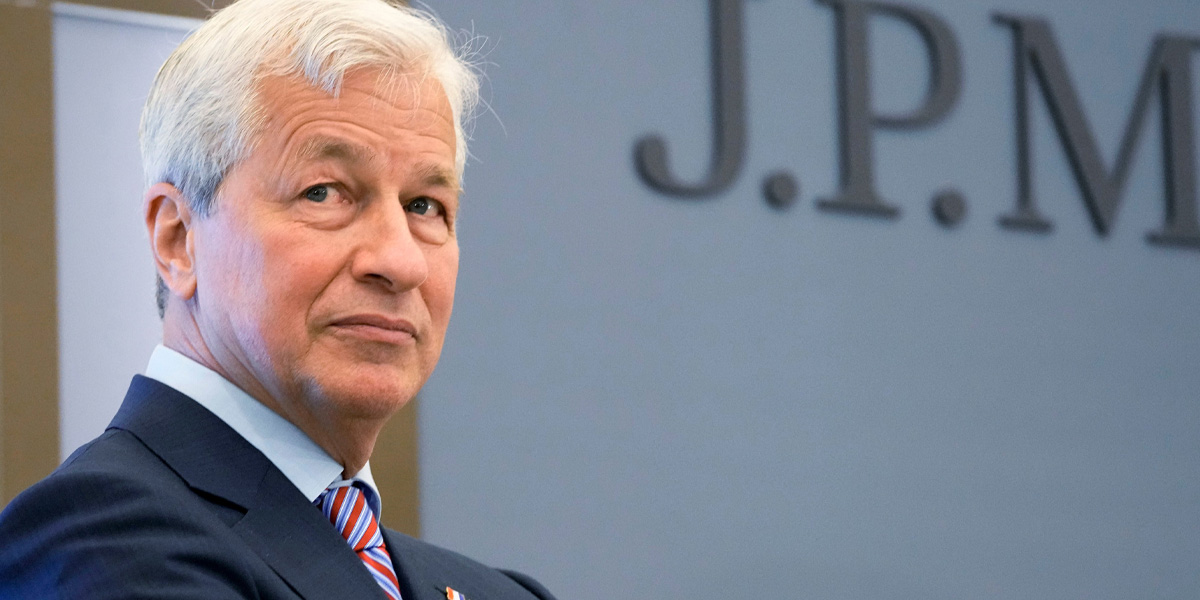
Recently, another iconic CEO, Jamie Dimon, announced that he has put initial plans in place for his retirement and identified a handful of potential candidates to take over his role. Even the mention of his departure raised many eyebrows within the banking community and the greater payments ecosystem. Dimon is considered by many to be one of the greatest CEOs in corporate history and someone from whom many elected officials, regulators, investors, and others frequently seek council. During his tenure, JP Morgan has become the biggest banking entity in the US and Its stock has continued to climb despite a plethora of economic challenges and the occasional ire of elected officials. In the face of it all, Dimon has been virtually fearless and never backed down from criticism. So, many industry experts speculate whether JP Morgan will have a “Disney 2.0” experience once he departs. However, I don’t believe this to be the case, and here’s why:
Succession Planning
Dimon and his team have a reputation for having a relentless work ethic and making decisions that benefit the company, customers, and team members. Dimon is also known for being incredibly candid about his decision-making process, openly admitting mistakes, articulating why he agrees or disagrees with a decision, and not being afraid to push back against his board. Given his history of leading the business through a constant state of evolution with solid discipline, I’m confident Dimon will have the foresight to hand the reins off to the right person without a lot of headwinds
Balance Sheet
In JP Morgan’s Q1 earnings report, the company reported revenue of $41.9 billion, $3.6 trillion in AUM, and a net income of $14 billion. According to Bank Rate, JP Morgan is the largest Bank in the U.S. with Bank of America trailing behind with nearly $1 trillion less in total assets. In 2023, JP Morgan was tapped to bail out several failed regional banks, which sent shock waves across the U.S. financial system. By purchasing the banks and a majority of their assets at a huge discount, JP Morgan ended the year with strong results and well ahead of their key competitors.
Regulations
Jamie Dimon may be one of the most outspoken CEOs in the country when it comes to regulations. Dimon is frequently called to congressional hearings and isn’t afraid to spar with high-ranking elected officials. During a 2022 Congressional hearing, Rep. Rashida Tlaib pressed Dimon on not investing in fossil fuel-related projects. Dimon fired back by stating, “That would be the road to hell for America.” While there have been other instances, Dimon also openly praises those who he believes are implementing appropriate and pro-business policies. He even openly praised former President Donald Trump for having been right on key issues. Given Dimon and his team have the ear of many elected officials, along with JP Morgan’s vital role in the overall health of the US banking system and for the potential change in regulatory focus from the CFPB, JP Morgan is well-equipped to manage the regulatory environment into the future.
Timing & Economics
There’s ongoing speculation in the market about a “soft landing,” lingering inflation and stagflation. Given this and the uncertainty with international affairs and the upcoming presidential election, I believe Dimon will stay on as CEO until he and the board are completely confident the company can continue to thrive. If Dimon and others learned anything from Iger’s initial departure, timing is crucial. Not handing over the company at the right time would leave a stain on Dimon’s legacy and you can bet he’s not going to let that happen.
While no one can predict the future or what might or might not happen, based on Dimon and JP Morgans history, a steep decline is highly unlikely. I look forward to seeing what JP Morgan does during the remaining time of Dimon’s tenure and the plans laid out for the next leader of the leading bank in the U.S.